Alexander von Humboldt: Exploring the original geography guy’s legacy
You’ve probably heard of Charles Darwin, but have you heard of Alexander von Humboldt? It’s likely you’ve been to a Humboldt park, or ridden down Humboldt Street at some point in your life, but you may not know the story behind this commonplace name.
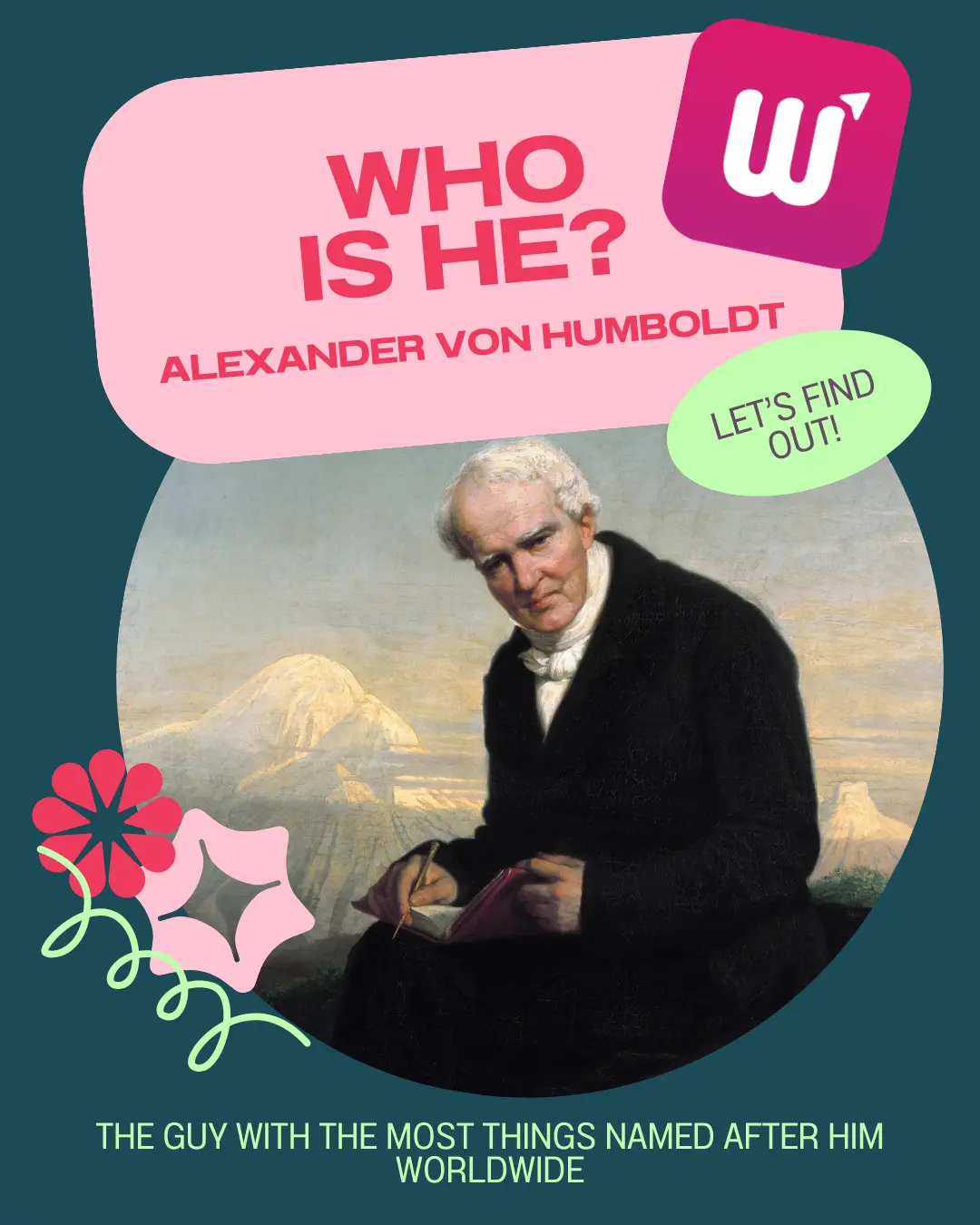
Born in 1769, Humboldt came into this world in Berlin, when it was still within the geometry of the land called Prussia. In his adult life, to use a popular turn of phrase, he walked so that Charles Darwin could run. Humboldt was the original travelling naturalist, sailing overseas for the pursuit of his scientific passions and penning the ecologically-minded tome “Kosmos” in 1845. His work continues to inspire travel and critical examination of the connections contained within the natural world and its processes and the cumulative effect of human action on our environment, and there’s a great recent history of Humboldt published in 2015 in The Invention of Nature.
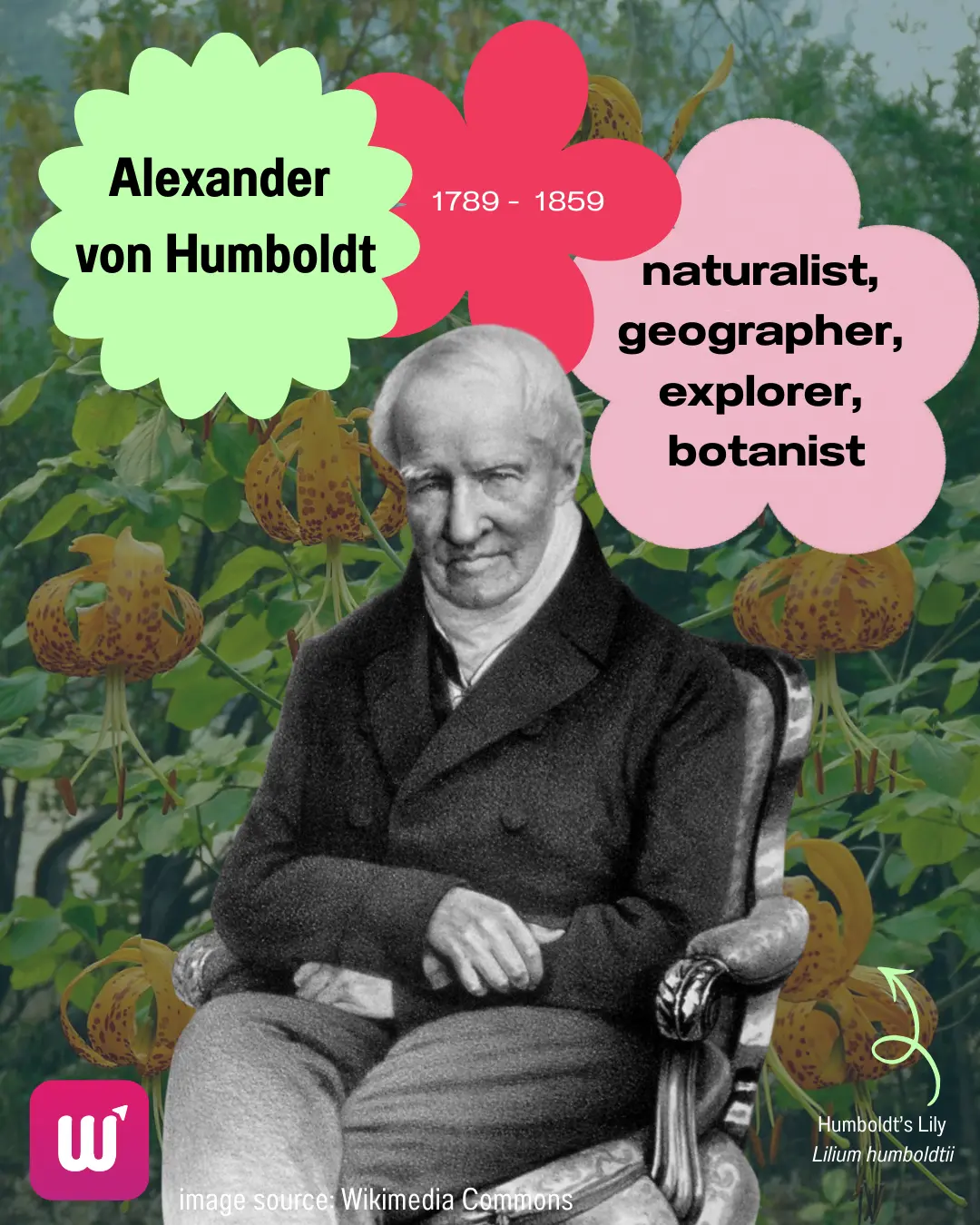
Humboldt used his generational wealth and years of mineral exploration management to fund his dreams of travelling the world to study botany. His travels led him to the Americas, Spain, Russia, as well as all over Europe. He aided in the identification of the source of the Orinoco River in South America, and set the world altitude record for a European (19,286 ft/5878 m) when he climbed in the Andes.
Humboldt is hailed as the father of modern geography and ethnobotany, and his example has continued to inspire us to explore and appreciate our connection to the land we traverse every day. No wonder he’s got so many places named after him! He is reported to have the more places named after him than any other person in history.
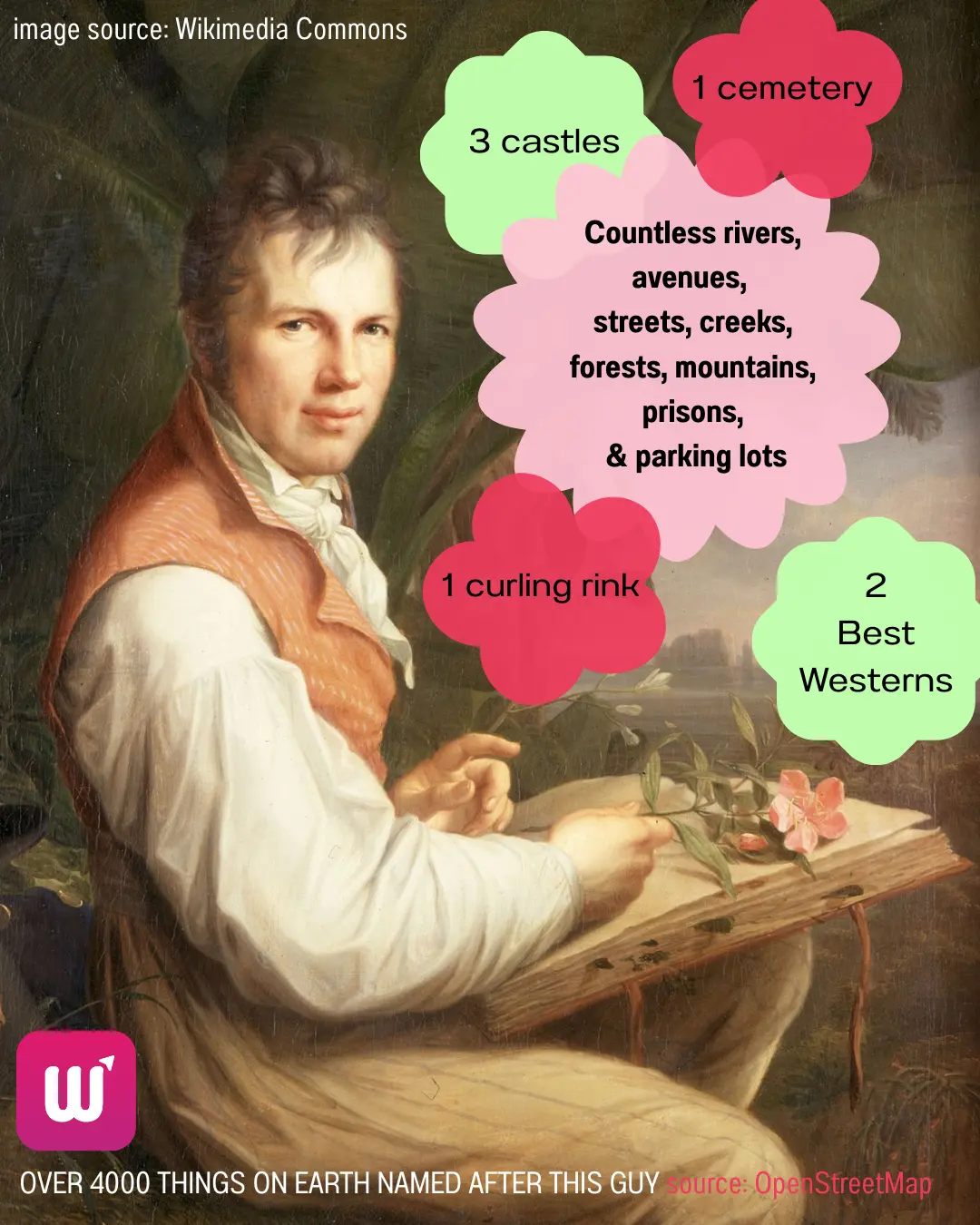
This year, we wanted to celebrate this legend, as well as celebrate all the work you folks have done over the past year, exploring the landscape and recording your travels on Wandrer. Using data from OpenStreetMap, we analyzed a few relationships between the world’s most popular street name, and the ways and nodes provided by the Wandrer user base.
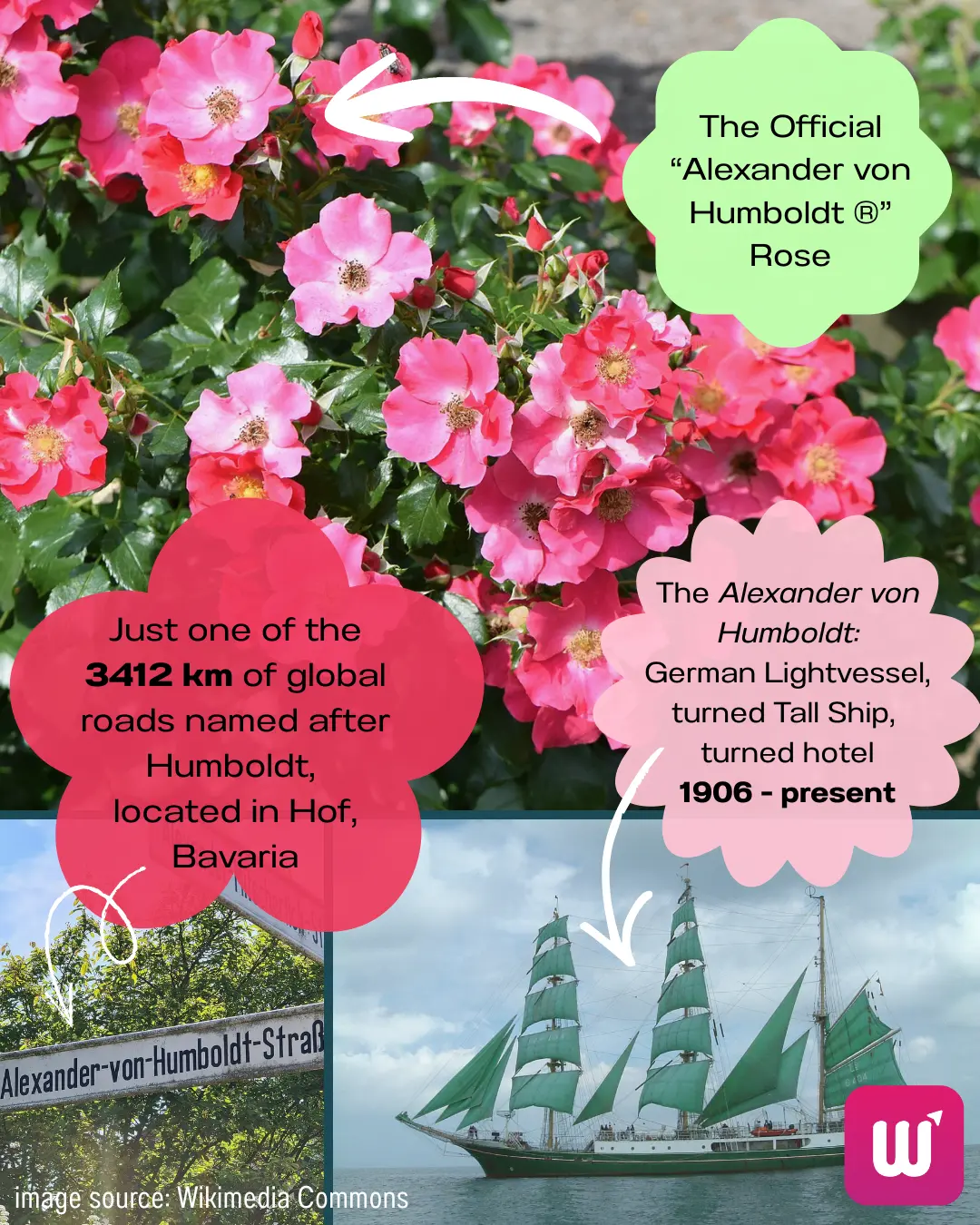
What is the total length of Humboldt roads? Combined, we calculated that there are 3412 km (2120 miles) of roads around the globe named after Humboldt.
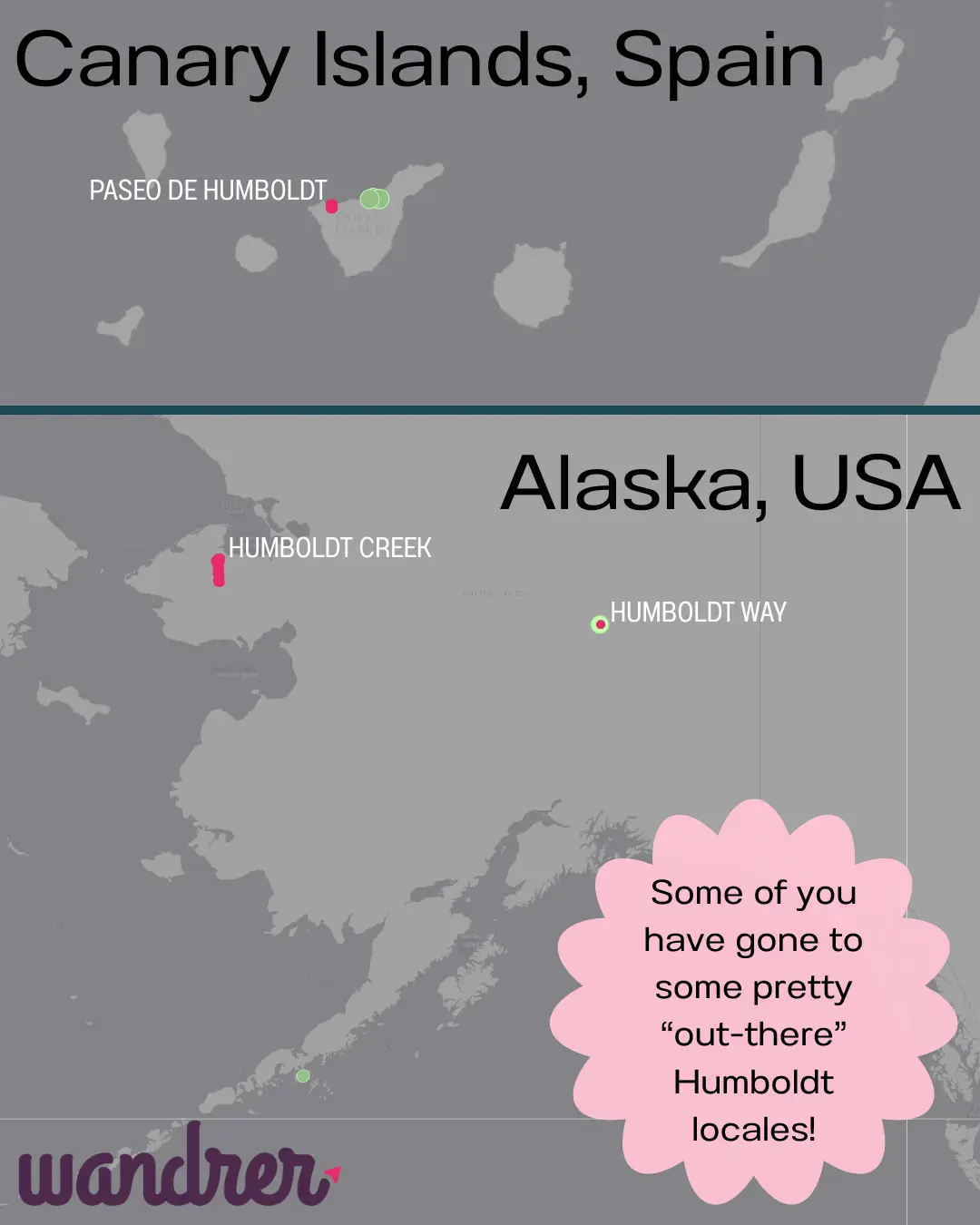
What percent of Humboldt roads have we (Wandrer users) completed length-wise? In 2025, we logged 475km (298 miles) of “Humboldts”, and all time we’ve completed 578km (359 miles)! Calculated to a percentage, that’s about 14% in 2025, and 17% all time. Let’s see if we can beat this in 2026! I wanna see someone at Humboldt Creek in Alaska!
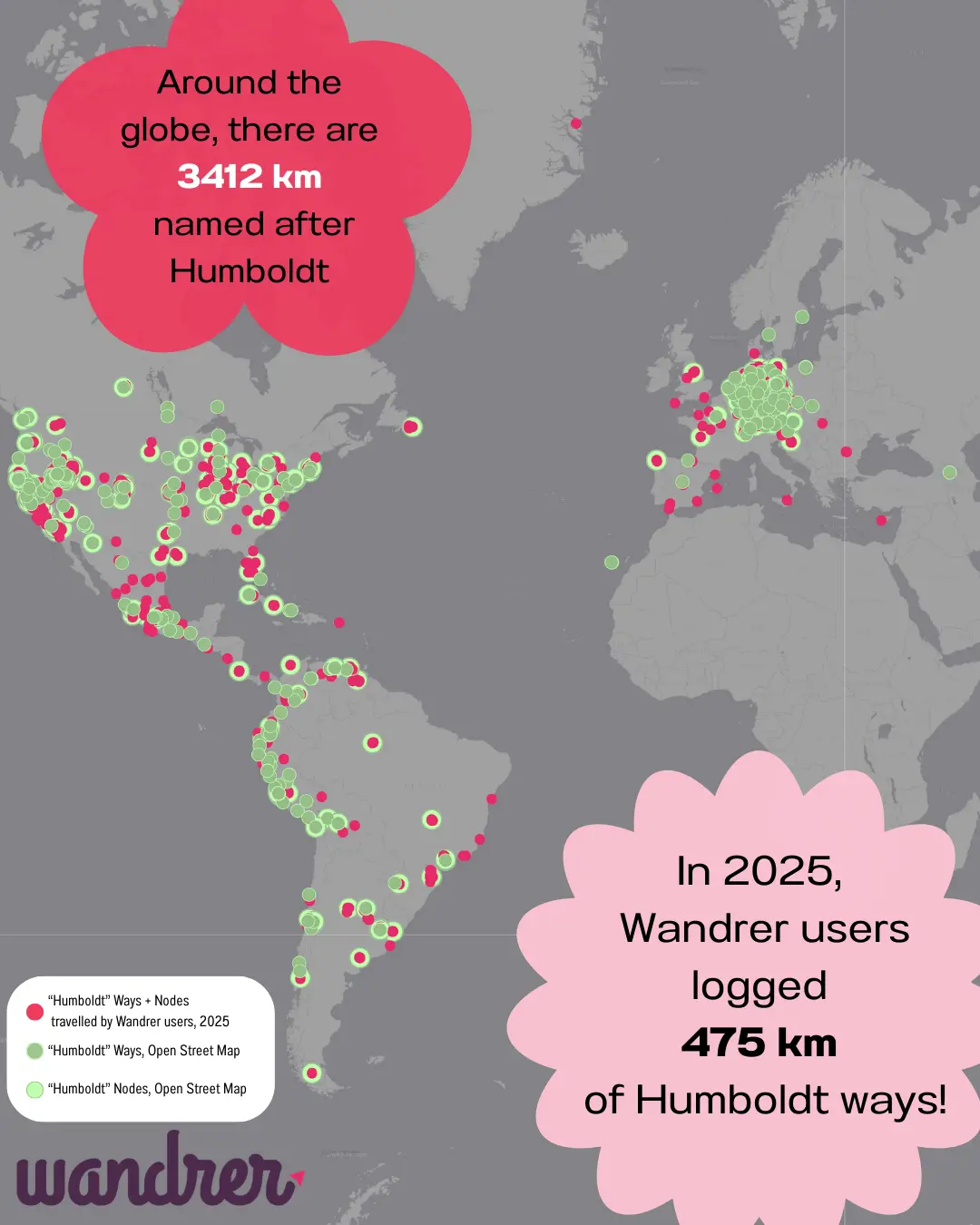
Where are the most far-flung features named after Humboldt? There were a lot of these to choose from! There are features in Chile, New Caledonia, the Canary Islands, Alaska, and New Zealand. There are even mountains named after him in Antarctica. For those of you who are keen, try querying OpenStreetMaps and let us know what you find!
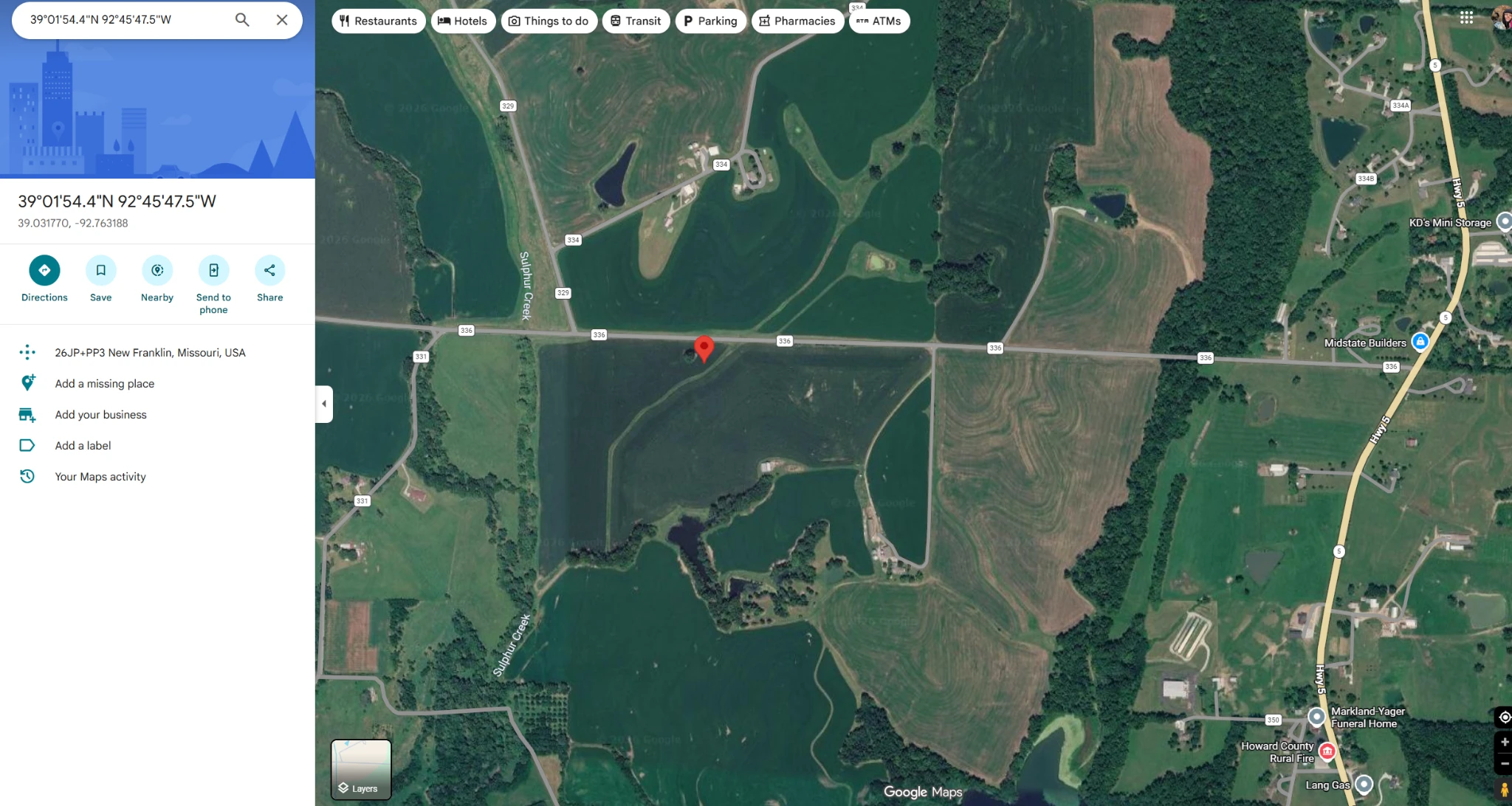
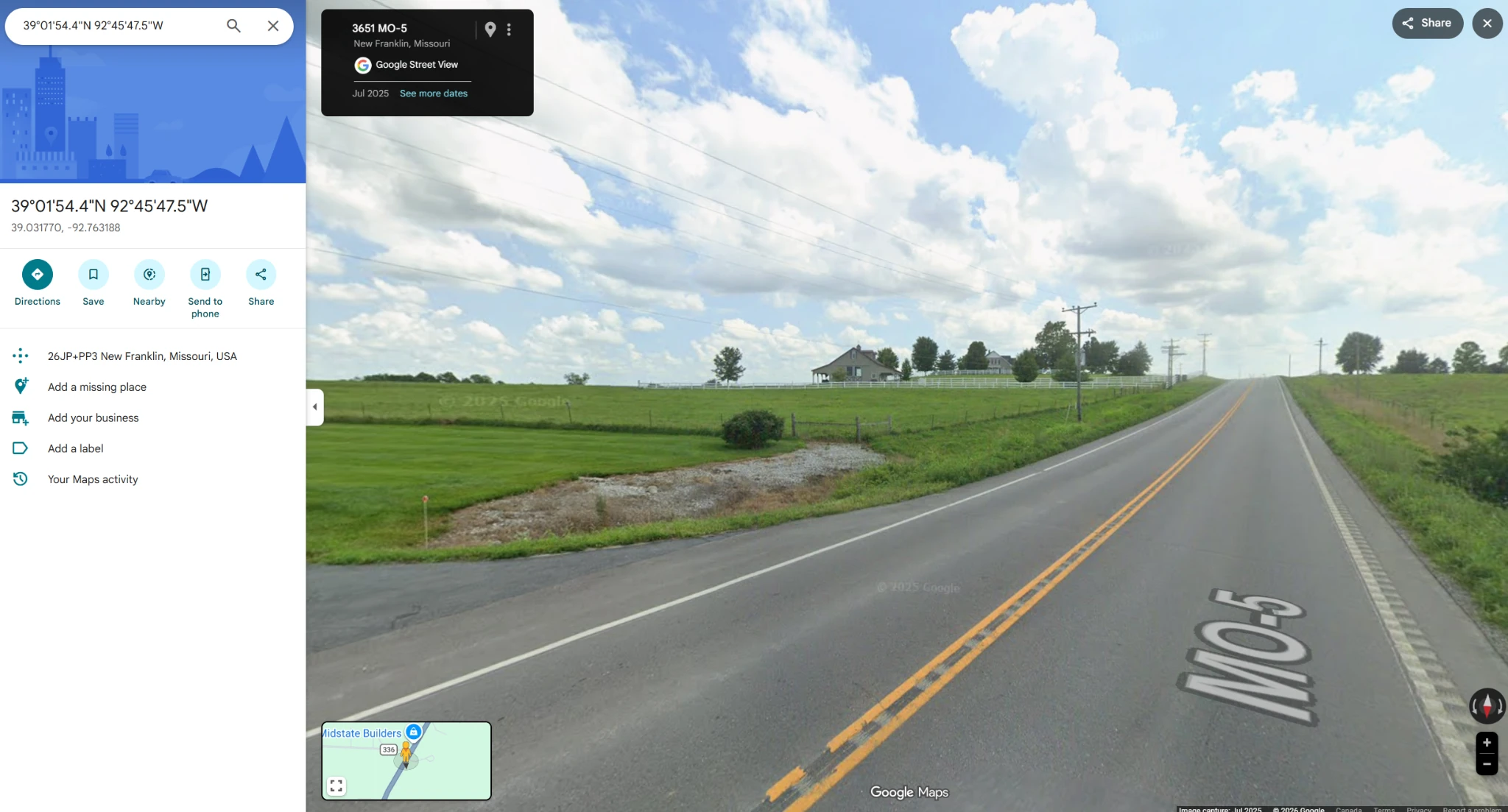
How accurately does the distribution of Humboldt features globally correspond to Humboldt’s hometown? Where are the mean coordinates of “Humboldts”? This is not terribly surprising, but all of the far-flung features mean that the coordinates aren’t anywhere near Berlin, unfortunately. The centroid of global OpenStreetMap Humboldt features is 39.03177N, -92.763188W, in New Franklin, Missouri, USA, so named New Franklin after (old) Franklin washed away during a flood of the Missouri River. New Franklin looks a little something like this:
Whereas Humboldt’s real hometown looks a bit more like this:
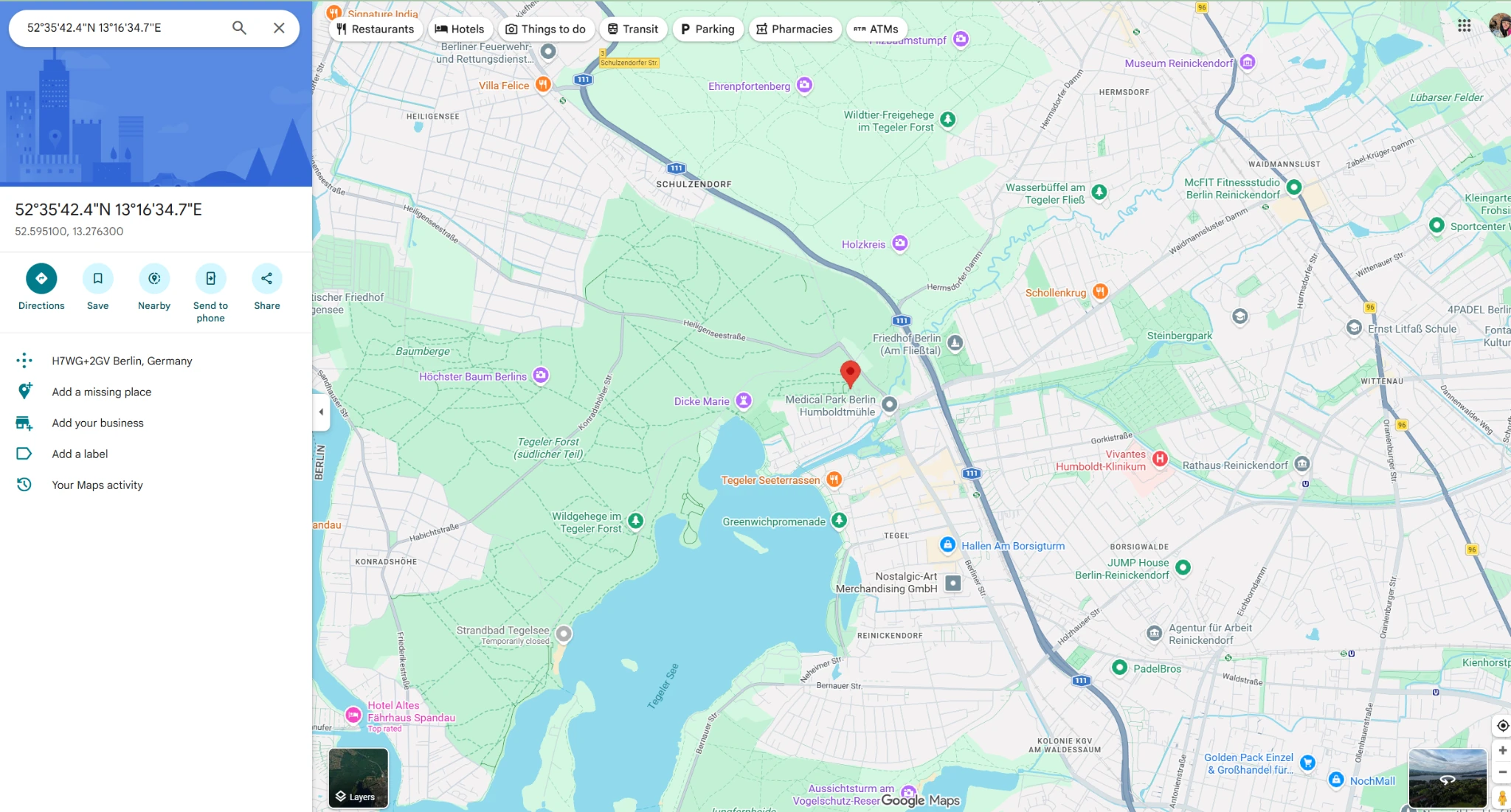
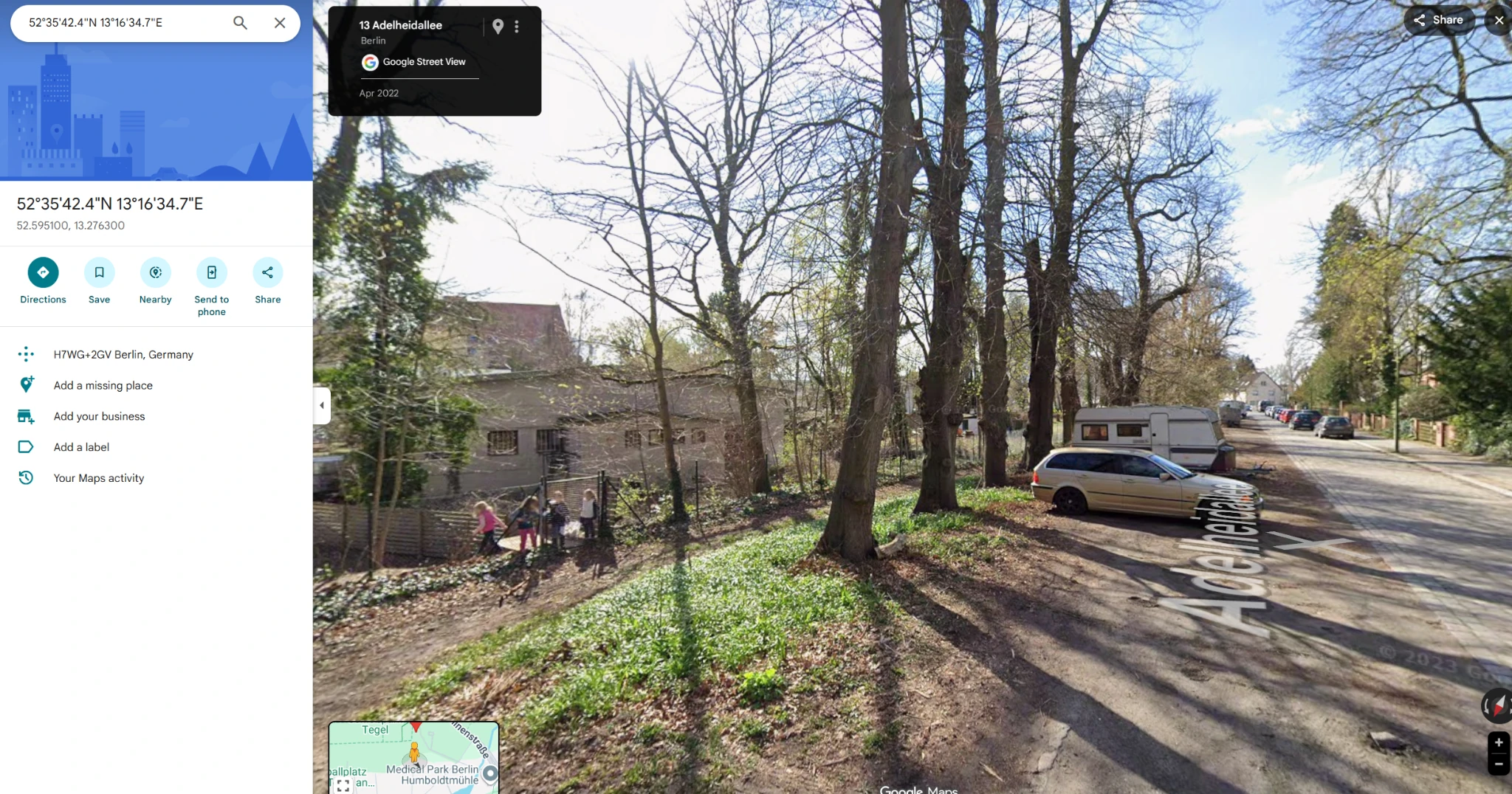
As we approach the best time of year to walk, run and ride bikes (regardless of hemisphere), it’s fun to think about one of the original wandrers and where his travels took him. Where will 2026 take you?
Related Stories:
What's the longest street name in the world?
Wandrer depends on OpenStreetMap in some very crucial and specific ways. OSM is the source of all of the road geometry data and access rules used in Wandrer, as well as many of the boundaries used in Wandrer achievements. So I spend a lot of time thinking about those particular things.
Read article